How to Hedge Political Risk?
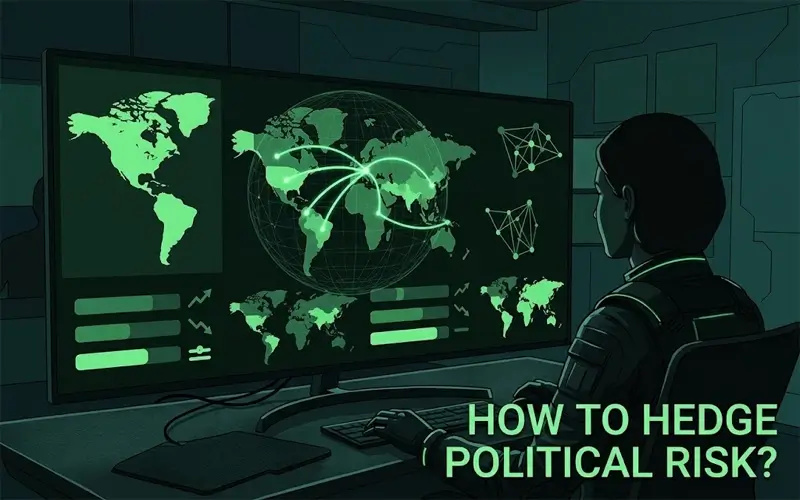
Political uncertainty has become one of the most important challenges for businesses, investors, and organizations operating in global markets. Government decisions, geopolitical conflicts, regulatory changes, sanctions, and social instability can significantly affect investments, supply chains, and long-term business strategies. Unlike traditional financial risks, political risks are often unpredictable and require continuous monitoring, analysis, and preparation.
Companies that understand how to hedge political risk can reduce potential losses and improve their ability to respond to unexpected events. In this article, we will explore the most effective strategies for managing political risks, including monitoring geopolitical developments, tracking global events, setting up early warning systems, and analyzing market changes. Stay with us until the end to discover how solutions like GeoStrat can help organizations build a stronger geopolitical risk management strategy.
Best ways Hedge Political Risks
Hedging political risks means reducing the potential negative impact of political events on businesses, investments, and operations. The goal is not to completely eliminate political uncertainty, but to create stronger protection mechanisms that allow organizations to identify threats earlier and make better decisions. Effective political risk hedging requires a combination of intelligence gathering, risk analysis, operational flexibility, and strategic planning.
Some of the most effective methods for hedging political risks include:
- Using geopolitical risk monitoring platforms
- Tracking political news and global events
- Setting up early warning alerts
- Monitoring currency and market changes
- Tracking sanctions and trade restrictions
- Conducting political risk assessments
- Diversifying business operations and investments
- Creating flexible risk management strategies
Why Political Risk Hedging Has Become More Important
Political risk hedging has become increasingly important because global markets are now more connected and more vulnerable to political disruptions. A political event in one region can quickly affect international businesses, financial markets, and global supply chains. Companies that previously focused mainly on financial and operational risks must now consider geopolitical factors as a critical part of their decision-making process.
Several factors have increased the importance of political risk management:
- Increasing geopolitical competition between major economies
- Trade disputes and economic sanctions
- Regional conflicts and political instability
- Changes in government regulations
- Growing dependence on international supply chains
- Increasing uncertainty in emerging markets
Organizations that fail to monitor political risks may face unexpected costs, operational disruptions, and investment losses. For this reason, businesses are increasingly adopting proactive strategies to identify and manage geopolitical threats before they create significant damage.
1) Using Geopolitical Risk Monitoring Platforms

Geopolitical risk monitoring platforms provide organizations with continuous access to political, economic, and social intelligence. These platforms collect and analyze information from different sources to help businesses understand potential risks before they directly impact operations. Instead of reacting to political events after they happen, companies can use real-time insights to prepare preventive strategies.
A reliable monitoring platform can help organizations analyze:
- Political instability indicators
- Government policy changes
- Election risks
- Regulatory developments
- Social unrest
- International conflicts
- Emerging geopolitical trends
Using these tools allows decision-makers to evaluate risks more accurately and adjust their strategies based on reliable information. GeoStrat is designed to support organizations in monitoring geopolitical developments and transforming complex political data into actionable intelligence. By providing structured insights and risk analysis capabilities, GeoStrat helps businesses identify potential threats earlier and make more informed strategic decisions.
GeoStrat for Political Risk Monitoring
GeoStrat is a real-time geopolitical intelligence platform that helps businesses monitor global political events, identify emerging risks, and better understand developments that may affect their operations, investments, and supply chains. By providing structured geopolitical insights and continuous event monitoring, GeoStrat enables organizations to improve situational awareness, detect potential threats earlier, and make more informed decisions in an increasingly uncertain global environment.
2) Tracking Political News and Global Events

Monitoring political news and global events is one of the fundamental steps in managing political risks. Changes in government policies, international relations, elections, diplomatic tensions, and social movements can create significant impacts on businesses operating across borders.
Organizations should continuously follow important developments such as:
- Government announcements
- International agreements
- Political elections
- Diplomatic conflicts
- Economic policy changes
- Regional security issues
However, simply collecting news is not enough. Businesses need to analyze how these events may affect their specific industries, markets, and operations. A political event that creates minimal impact for one company may represent a major threat for another depending on location, industry, and exposure level.
By combining news monitoring with geopolitical analysis, organizations can move beyond information gathering and develop a deeper understanding of potential consequences.
3) Setting Up Early Warning Alerts

Early warning systems are essential tools for identifying political risks before they become major disruptions. These systems continuously monitor selected indicators and notify organizations when specific risk levels increase.
Examples of early warning indicators include:
- Rising political tensions
- Changes in government policies
- Increasing social instability
- New sanctions announcements
- Currency volatility
- Trade restrictions
Early alerts allow businesses to take preventive actions instead of responding after a crisis occurs. For example, a company that receives early signals about regulatory changes may adjust its supply chain or investment strategy before financial losses appear.
An effective early warning system improves organizational resilience by creating more time for analysis and decision-making. This proactive approach is especially valuable for multinational companies operating in regions with higher political uncertainty.
4) Monitoring Currency and Market Changes
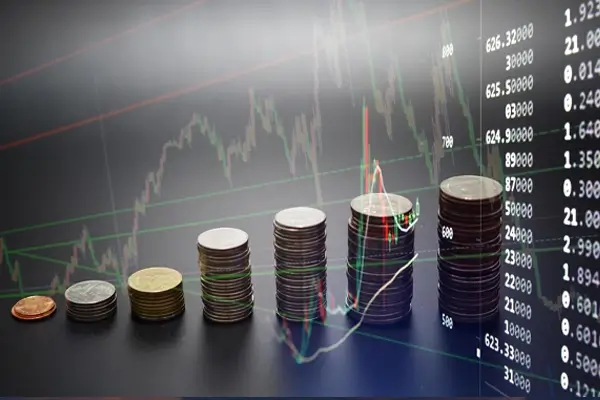
Political events often create significant changes in financial markets, exchange rates, and investment conditions. Currency fluctuations, stock market volatility, and changes in investor confidence can all be influenced by political developments.
Companies and investors should monitor:
- Exchange rate movements
- Market volatility
- Foreign investment trends
- Commodity price changes
- Economic policy decisions
Currency and market monitoring helps organizations understand the financial consequences of political events and develop appropriate hedging strategies. For example, sudden political instability in a country may lead to currency depreciation, affecting profits and international transactions.
By combining market analysis with political intelligence, businesses can create a more complete view of risk exposure and make better financial decisions.
5) Tracking Sanctions and Trade Restrictions
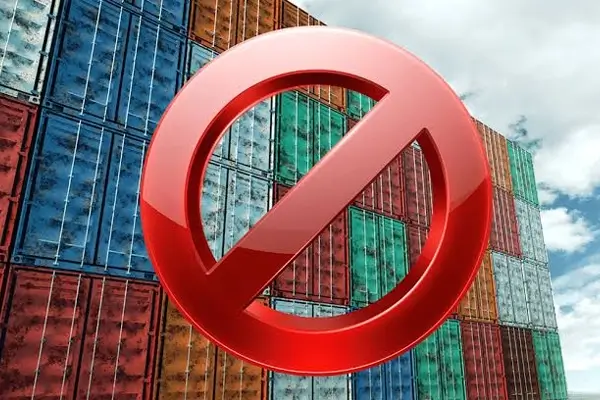
Sanctions and trade restrictions are among the most significant forms of political risk affecting international businesses. Governments may introduce restrictions that limit trade activities, investment opportunities, or access to specific markets.
Companies operating globally should continuously monitor:
- International sanctions lists
- Export control regulations
- Import restrictions
- Trade agreements
- Government restrictions
Failure to identify new sanctions or trade limitations can result in financial penalties, legal issues, and operational disruptions. Businesses must ensure that their activities comply with changing international regulations.
Tracking sanctions and trade restrictions enables companies to adjust their strategies, identify alternative markets, and reduce exposure to politically restricted environments.
The Role of Geopolitical Intelligence in Modern Risk Management
Modern risk management requires organizations to move beyond traditional financial analysis and incorporate geopolitical factors into their decision-making processes. Geopolitical intelligence helps companies understand how political events, international relationships, and government actions may influence future risks and opportunities.
Organizations can use geopolitical intelligence to:
- Identify emerging political threats
- Analyze country-level risks
- Improve strategic planning
- Protect international investments
- Strengthen supply chain decisions
- Support executive decision-making
Today, Geopolitical Intelligence Platforms provide businesses with advanced capabilities to collect, analyze, and visualize geopolitical data. These platforms help organizations transform complex global developments into practical insights that support faster and more accurate decisions.
By integrating geopolitical intelligence into risk management frameworks, companies can become more resilient and better prepared for uncertain global conditions.
Conclusion
Political risks are becoming a critical challenge for businesses and investors operating in an increasingly interconnected world. While political uncertainty cannot be completely eliminated, organizations can significantly reduce its impact through proactive strategies such as geopolitical monitoring, early warning systems, market analysis, and sanctions tracking. Using advanced intelligence solutions like GeoStrat enables companies to better understand global risks and make informed decisions before political events create major disruptions. A strong political risk hedging strategy allows organizations to protect their investments, improve resilience, and confidently navigate complex geopolitical environments.
which platform monitors geospatial threats?
Geospatial threats can emerge anywhere—from conflict zones and military activity to critical infrastructure disruptions, maritime incidents, and geopolitical crises. Monitoring these threats…
geopolitical risk intelligence platform
In today’s interconnected world, geopolitical events can rapidly influence global security, financial markets, energy systems, supply chains, and international operations. Organizations need…
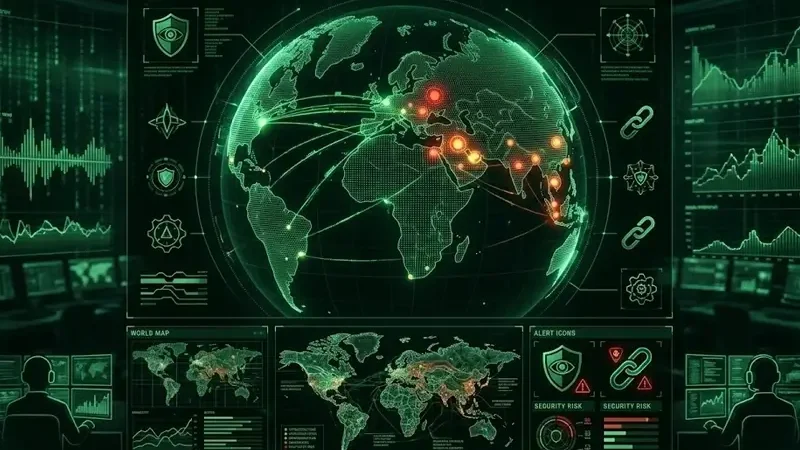
What Tools Provide Real-Time Alerts for Geopolitical and Security Risks?
Geopolitical and security risks can change rapidly, making timely access to reliable information essential for organizations operating across countries, markets, and critical…
FILE A TRANSMISSION