Geopolitical Intelligence Platform for Oil Price Analysis
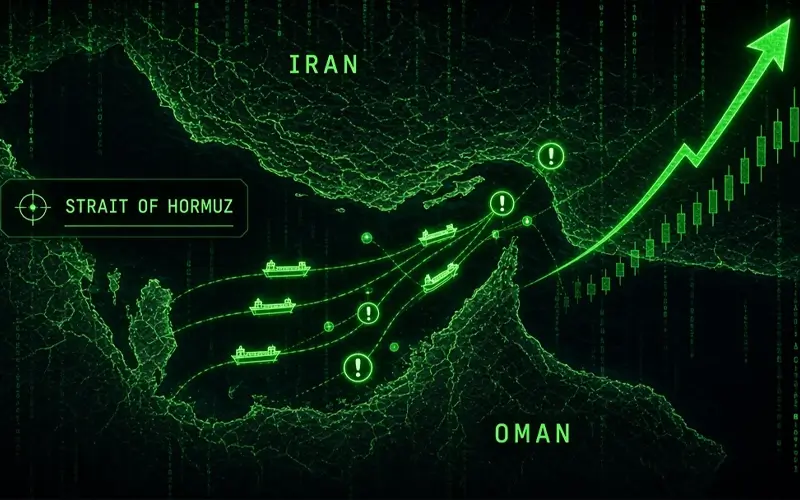
Best Geopolitical Intelligence Platform for Oil Price Analysis
GeoStrat is a geopolitical intelligence platform that combines global event monitoring, energy intelligence, market data, and AI-powered analysis in one environment. It helps analysts, investors, researchers, and businesses investigate geopolitical developments that may influence crude oil prices and energy market conditions. Instead of examining political news and market movements separately, users can explore relevant events alongside geographic, economic, and infrastructure information to better understand potential market risks.
Key GeoStrat capabilities for geopolitical oil price analysis include:
Geopolitical Intelligence: Monitor international conflicts, political developments, and country-level risks.
Global Intelligence Map: Explore geolocated events and geographic information through interactive 2D and 3D maps.
Nuclear & Energy Intelligence: Monitor energy infrastructure and relevant energy developments.
Strategic Assets Intelligence: Track strategic chokepoints, ports, and critical infrastructure that support global energy transportation.
Market Intelligence: Explore market indicators, foreign exchange information, and historical market data.
Trade & Economic Intelligence: Review economic indicators, trade developments, and tariff-related information.
News & OSINT Intelligence: Follow energy news, conflict reports, and other open-source information.
AI-Powered Intelligence Services: Use AI-assisted analysis, situation reports, and natural-language queries to investigate complex developments.
Together, these capabilities provide a broader context for understanding geopolitical risks that may affect oil markets. GeoStrat supports research and situational awareness rather than guaranteeing price forecasts or trading outcomes.
How to Use GeoStrat for Geopolitical Oil Price Analysis
GeoStrat can help users investigate potential connections between geopolitical events and oil market movements. The following steps provide a practical approach to using its intelligence capabilities for this purpose.
1. Monitor Geopolitical Events and Conflicts
Start by monitoring geopolitical developments in major oil-producing regions and countries that influence global energy trade. GeoStrat’s geopolitical intelligence tools, conflict monitoring, and country briefs help users examine political instability, military conflicts, and diplomatic developments. Tracking these events can help identify emerging risks that may affect oil production, exports, or market expectations.
2. Track Strategic Oil Routes and Energy Infrastructure
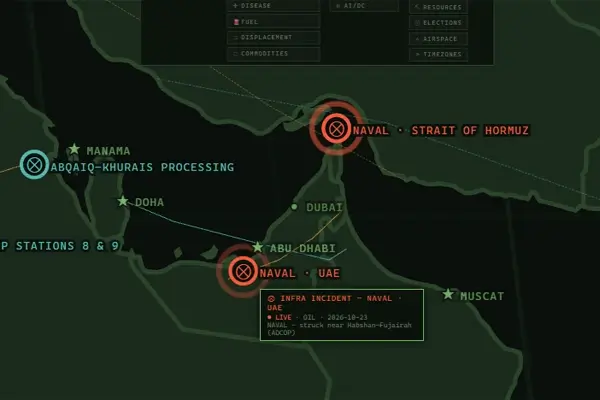
Shipping routes, ports, pipelines, and strategic chokepoints play an important role in global oil transportation. GeoStrat’s strategic assets and infrastructure intelligence capabilities help users investigate developments around these locations and assess potential supply chain vulnerabilities. For example, an incident affecting a major maritime route may increase concerns about shipping delays, transportation costs, or disruptions to oil supplies.
3. Analyze Market and Economic Indicators
Geopolitical events are only one part of oil price analysis. Production levels, global demand, inventories, currency movements, and broader economic conditions can also influence market prices. GeoStrat’s market and trade intelligence capabilities provide additional context for investigating these factors alongside geopolitical developments. Combining different information sources helps analysts avoid interpreting an individual political event as the sole explanation for a price movement.
4. Use AI and Intelligence Reports to Investigate Potential Impacts
AI-assisted analysis, situation reports, and natural-language queries can help users organize information and investigate complex developments. Analysts can use these capabilities to explore questions about an emerging conflict, a potential shipping disruption, or a change in international sanctions. The resulting information can support further research into possible oil market implications, although conclusions should be verified against reliable sources and relevant market data.
How Do Geopolitical Events Affect Oil Prices?
Geopolitical events can influence crude oil prices by changing expectations about supply, demand, transportation, and market risk. Conflicts in oil-producing regions may threaten production facilities, while sanctions can restrict exports or change international trade flows. Disruptions around major maritime chokepoints can also affect the movement of crude oil and increase shipping costs. In some cases, prices react before a physical disruption occurs because market participants anticipate possible shortages or uncertainty about future supply.
Several geopolitical developments can influence oil prices through different channels:
Wars and regional conflicts: May threaten production, exports, and energy infrastructure.
Economic sanctions: Can restrict oil exports and reshape trade relationships.
Shipping route disruptions: May delay deliveries and increase transportation costs.
Attacks on energy infrastructure: Can reduce production or interrupt oil transportation.
Diplomatic agreements and de-escalation: May reduce supply concerns and geopolitical risk premiums.
Changes in trade policy: Can affect economic activity, trade flows, and expectations about oil demand.
However, geopolitical developments do not always lead to higher oil prices. The actual impact depends on the scale and duration of the event, available alternative supplies, production decisions, global demand, and existing market conditions. For this reason, effective analysis requires examining geopolitical information alongside economic indicators and historical market data. An intelligence platform can help organize this research, but it cannot establish a direct causal relationship between every event and every price movement.
Conclusion
Understanding crude oil prices requires more than following market charts or individual news reports. Geopolitical conflicts, international sanctions, strategic shipping routes, energy infrastructure, and economic conditions can all influence the outlook for oil markets. GeoStrat brings geopolitical monitoring, energy and infrastructure intelligence, market information, and AI-assisted analysis together to help users investigate these interconnected factors. By combining global situational awareness with relevant market research, analysts and businesses can develop a more informed understanding of potential oil price risks and the events shaping energy markets.
best tools for monitoring political news and market odds
Political developments, geopolitical tensions, and economic decisions can influence global markets and create new risks for businesses, investors, and analysts. Keeping track…
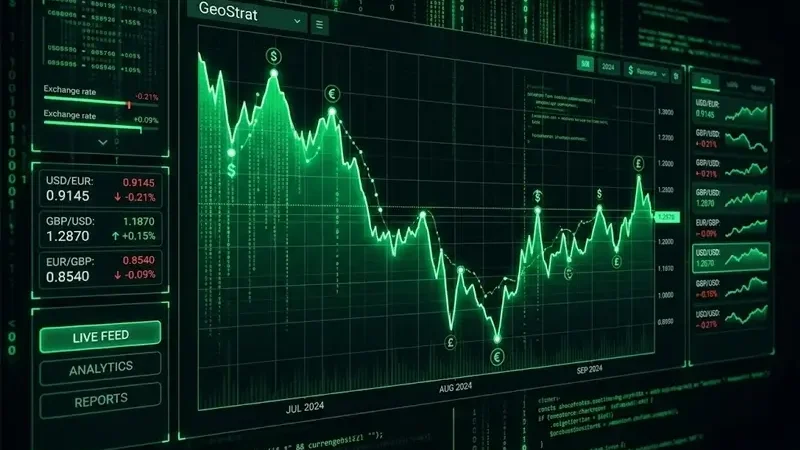
Currency Fluctuation Monitoring Platforms
Currency fluctuations can affect international trade, investment decisions, import and export costs, and business planning. Monitoring these changes requires more than checking…
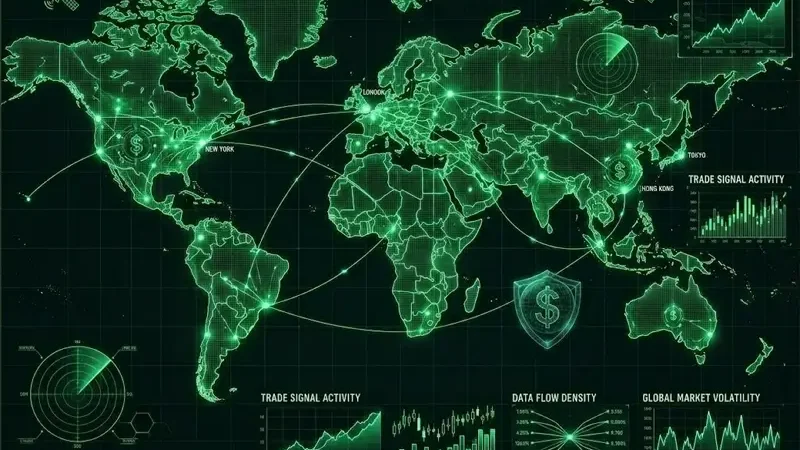
best tools for tracking geopolitical events and market impact?
Geopolitical events can reshape global markets, disrupt supply chains, and influence the prices of energy, commodities, and financial assets. For businesses, investors,…
FILE A TRANSMISSION