Energy Market Hedges in Geopolitical Risk
Energy Market Hedges in Geopolitical Risk
Energy markets are highly sensitive to geopolitical developments. Wars, sanctions, political instability, attacks on critical infrastructure, and disruptions to major trade routes can quickly affect energy supply, prices, and market expectations. For companies, investors, and other market participants, managing these risks requires more than simply tracking price movements. It also requires understanding how geopolitical events can affect production, transportation, trade, and access to energy resources. This article examines the relationship between geopolitical risk and energy markets, the main strategies used to manage this exposure, and the importance of monitoring geopolitical developments. Stay with GeoStrat to better understand how global events can shape energy markets and risk.
What Is Geopolitical Risk in Energy Markets?
Geopolitical risk in energy markets refers to the possibility that political, military, or international developments could disrupt the production, transportation, trade, or consumption of energy. Wars, sanctions, diplomatic conflicts, political instability, attacks on energy infrastructure, and restrictions on international trade can all create geopolitical risks for energy markets. Because energy supply chains often cross multiple countries and depend on strategic infrastructure, a disruption in one region can have consequences far beyond its immediate location.
Geopolitical risk can affect energy markets even when there is no immediate physical disruption to supply. The possibility of future disruptions can increase uncertainty and influence market expectations, causing traders and businesses to adjust their positions before an actual shortage occurs. Strategic shipping routes such as the Strait of Hormuz, major oil and gas production regions, pipelines, LNG terminals, and energy infrastructure can therefore become important sources of geopolitical exposure.
How Geopolitical Risk Impacts Energy Prices
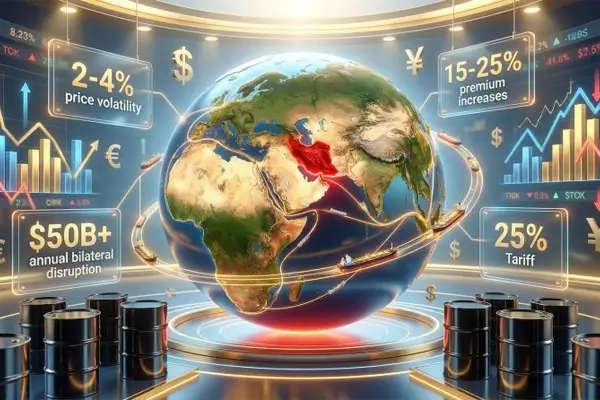
Geopolitical developments can influence energy prices through several interconnected channels. When a conflict threatens production or transportation, markets may anticipate tighter supply and higher costs. Even the expectation of a disruption can increase price volatility as traders respond to changing assessments of future supply and demand. The impact can also spread between energy markets, particularly when oil, natural gas, and electricity systems are closely connected.
Key ways geopolitical risk can affect energy prices include:
- Supply disruptions: Reduced production or exports can tighten available supply.
- Transportation risks: Disruptions to shipping routes, pipelines, or ports can increase transportation costs.
- Sanctions and trade restrictions: Restrictions can change established trade flows and limit access to specific energy supplies.
- Market uncertainty: Greater uncertainty can increase volatility and risk premiums.
- Strategic reserves: Governments may release strategic energy reserves to reduce short-term supply pressure.
- Changing demand expectations: Geopolitical crises can alter economic activity and therefore expected energy consumption.
Strategies for Managing Geopolitical Risk in Energy Markets
Managing geopolitical risk does not mean eliminating uncertainty. Instead, the goal is to reduce exposure and improve the ability to respond when market conditions change. Energy companies, investors, and large consumers can combine financial hedging with diversification and continuous geopolitical monitoring to build a more resilient risk-management approach.
Portfolio Diversification
Portfolio diversification can reduce dependence on a single energy source, market, supplier, or geographic region. For energy companies, this may involve working with multiple suppliers, maintaining access to different transportation routes, or balancing exposure across different energy markets. For investors, diversification can help limit the impact of a geopolitical event affecting a particular commodity or region.
Commodity Hedging
Commodity hedging allows market participants to manage some of the financial risks associated with energy price volatility. Futures, forwards, and options can be used to establish positions that help offset potential losses resulting from unfavorable price movements. The appropriate hedging strategy depends on factors such as the type of exposure, expected price movements, business objectives, and the time horizon of the risk.
The Future of Energy Markets and Geopolitical Risk
The relationship between geopolitics and energy markets is likely to become increasingly complex. Global energy systems depend on international supply chains, strategic transportation routes, critical infrastructure, and relationships between major producing and consuming countries. As a result, political or security developments in one region can have effects on energy prices and availability across multiple markets. Events affecting major energy corridors can be particularly significant because alternative routes may not always be available immediately.
The global energy transition is also changing the nature of geopolitical risk. Greater adoption of renewable energy can reduce dependence on some fossil fuels, but it creates new dependencies involving critical minerals, manufacturing capacity, batteries, power grids, and energy technologies. As these supply chains become more strategically important, companies and governments will need to consider both traditional energy risks and emerging geopolitical dependencies.

Which Energy Markets Are Most Exposed to Geopolitical Risk?
Different energy markets have different levels of exposure to geopolitical risk. Factors such as geographic concentration of production, dependence on imports, transportation infrastructure, strategic chokepoints, and the availability of alternative suppliers can determine how vulnerable a market is to geopolitical disruptions.
Oil Markets
Oil markets are among the most exposed to geopolitical risk because global production and trade depend heavily on several major producing regions and strategic transportation routes. Disruptions to production, exports, shipping, or critical infrastructure can quickly affect market expectations and create significant price volatility. The importance of major oil-producing regions and maritime chokepoints makes geopolitical developments a central factor in oil-market risk assessment.
Natural Gas Markets
Natural gas markets can be particularly sensitive to geopolitical developments because many regions depend on specific suppliers, pipelines, or LNG infrastructure. Disruptions to pipeline flows, LNG exports, production facilities, or shipping routes can reduce available supply and cause significant regional price movements. The experience of European gas markets following major disruptions to Russian gas supplies demonstrated how geopolitical events can reshape energy trade flows.
Electricity Markets
Electricity markets are exposed to geopolitical risk through both fuel supply and critical infrastructure. Damage to power plants, transmission networks, substations, or cross-border interconnectors can disrupt electricity supply. Electricity markets can also be indirectly affected when power generation depends heavily on imported natural gas, coal, or other fuels whose prices and availability are influenced by geopolitical developments.
Renewable Energy Markets
Renewable energy markets have different geopolitical vulnerabilities from traditional fossil-fuel markets. Solar panels, batteries, wind turbines, and other clean-energy technologies depend on global manufacturing networks and supplies of critical minerals and materials. Trade restrictions, export controls, supply-chain disruptions, and competition between major economies can therefore affect the availability and cost of renewable-energy technologies.
LearnMore: Best Geopolitics Prediction Platforms
Conclusion
Geopolitical risk is a major source of uncertainty for global energy markets. Conflicts, sanctions, trade restrictions, supply disruptions, and threats to critical infrastructure can influence energy prices, market volatility, and global trade flows. Managing this exposure requires a combination of portfolio diversification, commodity hedging, and continuous monitoring of geopolitical developments. As energy systems become more interconnected and the global energy transition creates new strategic dependencies, access to timely geopolitical intelligence will become increasingly important. Platforms such as GeoStrat can help organizations monitor global developments, connect geopolitical events with strategic risks, and make more informed decisions in an increasingly uncertain energy environment.
best tools for monitoring political news and market odds
Political developments, geopolitical tensions, and economic decisions can influence global markets and create new risks for businesses, investors, and analysts. Keeping track…
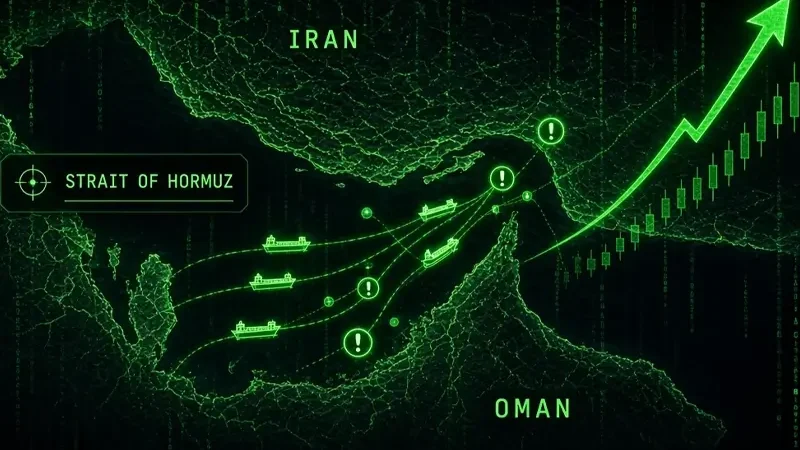
Geopolitical Intelligence Platform for Oil Price Analysis
Crude oil prices are influenced by more than supply and demand. Geopolitical conflicts, international sanctions, disruptions to shipping routes, and threats to…
Currency Fluctuation Monitoring Platforms
Currency fluctuations can affect international trade, investment decisions, import and export costs, and business planning. Monitoring these changes requires more than checking…
FILE A TRANSMISSION