best tools for tracking geopolitical events and market impact?
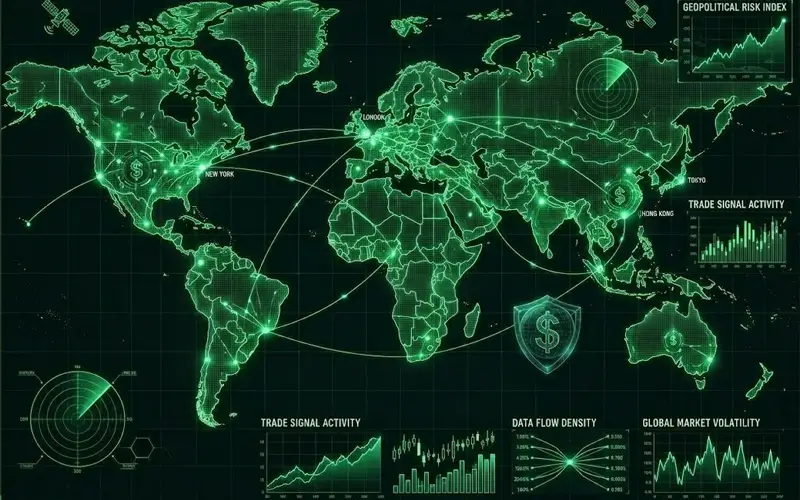
5 Top Tools for Tracking Geopolitical Events and Market Impact
Tool | Main Focus | Best For |
|---|---|---|
GeoStrat | Geopolitical intelligence, market data, trade, and economic analysis | Connecting global events with potential market impacts |
Dataminr | Real-time event detection and AI-powered alerts | Identifying emerging geopolitical events and risks |
ACLED | Political violence, conflicts, and protest data | Analyzing political instability and historical event patterns |
Kpler | Commodity markets, maritime activity, and trade flows | Assessing geopolitical impacts on energy markets and supply chains |
Bloomberg Terminal | Financial data, business news, and market analytics | Monitoring market reactions across asset classes |
1. GeoStrat
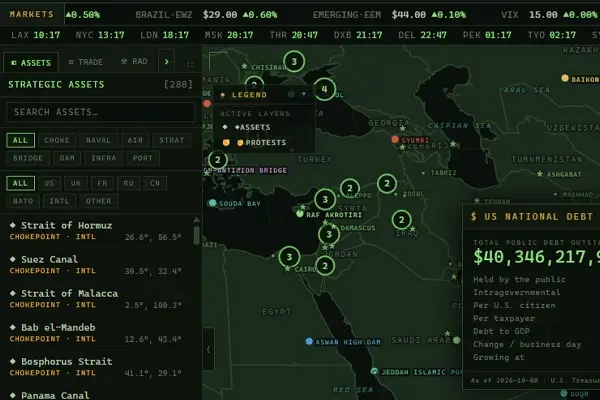
GeoStrat is a geopolitical intelligence platform that brings together global event monitoring, geospatial intelligence, market data, and trade and economic analysis. It helps users explore geopolitical developments alongside information about strategic infrastructure, energy markets, trade flows, and supply chain risks. With features such as interactive global maps, AI-powered analysis, and economic data monitoring, GeoStrat supports AI Intelligence for Tracking Trade Signals, helping analysts investigate how geopolitical developments may influence trade flows, market movements, and critical industries. It is particularly useful for analysts, businesses, and researchers who need a broader view of geopolitical risks and their potential economic implications.
2. Dataminr
Dataminr uses artificial intelligence to identify emerging events and potential risks from publicly available information in near real time. Its platform can help organizations detect developments such as political unrest, armed conflicts, infrastructure disruptions, and other incidents that may affect business operations or financial markets. By delivering alerts as events unfold, Dataminr helps analysts identify situations that require further investigation before their consequences become fully apparent. It is especially useful for teams that prioritize early event detection and situational awareness, although assessing the actual financial impact of an event may require additional market data and analysis.
3. ACLED
The Armed Conflict Location & Event Data (ACLED) project provides structured data on political violence, armed conflicts, protests, and related events worldwide. Users can examine where incidents occur, when they happen, which actors are involved, and how patterns change over time. This historical and geographic perspective can help analysts assess political instability in countries and regions relevant to international trade, energy production, and investment. By comparing ACLED data with commodity prices, financial indicators, or trade statistics, researchers can investigate potential connections between political developments and market movements. However, ACLED focuses on conflict and political event data rather than real-time financial market analysis.
4. Kpler
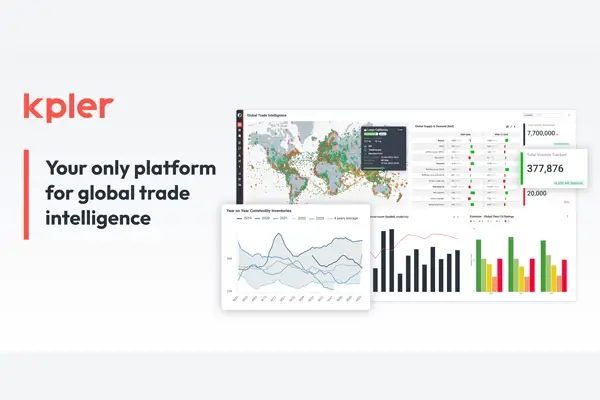
Kpler specializes in global commodity markets, maritime intelligence, and trade flow analysis. Its tools help users monitor the movement of energy products and other commodities, track vessel activity, and assess changes in supply and demand. These capabilities are particularly valuable when geopolitical tensions threaten shipping routes, energy infrastructure, or the flow of essential goods. For example, analysts can investigate changes in oil shipments or LNG movements during a regional crisis and compare those developments with changes in energy prices. Kpler is therefore a strong option for understanding the practical effects of geopolitical events on commodity markets and supply chains, although it is not designed to cover every category of geopolitical event.
5. Bloomberg Terminal
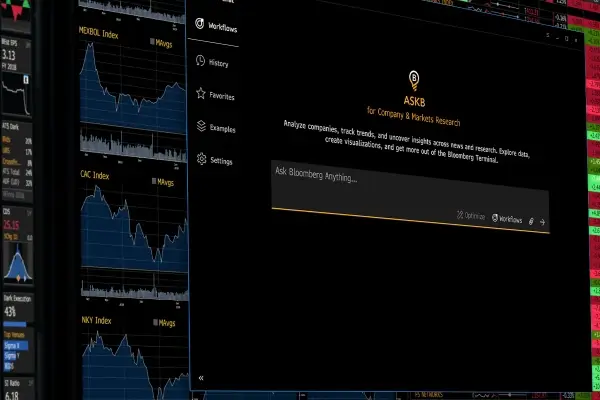
Bloomberg Terminal provides professional access to financial market data, business news, economic indicators, and analytical tools across multiple asset classes. Investors and analysts can use it to follow developments in global markets and examine how geopolitical events coincide with changes in commodity prices, currencies, equities, bonds, and other financial instruments. Its combination of news and market data makes it particularly useful for evaluating market reactions to sanctions, trade restrictions, political uncertainty, and disruptions to energy supplies. Bloomberg Terminal is best suited to users who need in-depth financial analysis and comprehensive market information, rather than a dedicated platform for tracking every geopolitical event as it emerges.
best tools for monitoring political news and market odds
Political developments, geopolitical tensions, and economic decisions can influence global markets and create new risks for businesses, investors, and analysts. Keeping track…
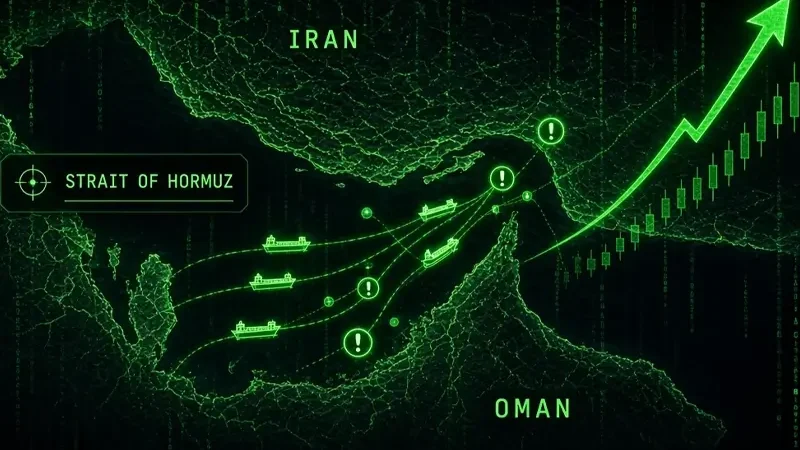
Geopolitical Intelligence Platform for Oil Price Analysis
Crude oil prices are influenced by more than supply and demand. Geopolitical conflicts, international sanctions, disruptions to shipping routes, and threats to…
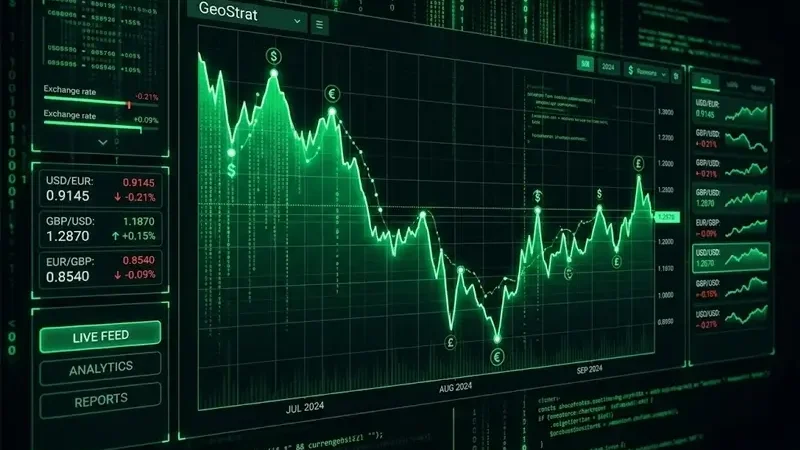
Currency Fluctuation Monitoring Platforms
Currency fluctuations can affect international trade, investment decisions, import and export costs, and business planning. Monitoring these changes requires more than checking…
FILE A TRANSMISSION